
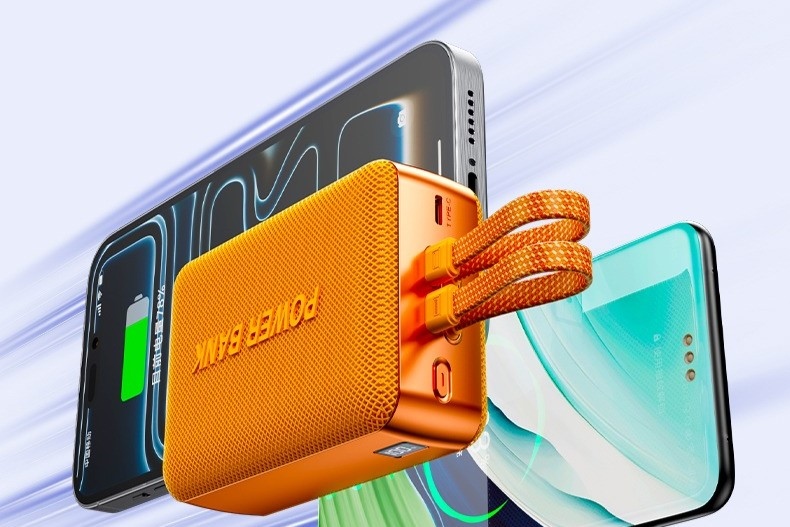
When sourcing high-capacity portable chargers for global distribution, electronics procurement managers, Amazon FBA sellers, and B2B buyers frequently face a critical regulatory question: “Can a 30000mAh power bank be exported to European and US markets, and how can enterprise buyers ensure compliance with varying airline transport safety mandates?”
While consumer demand for ultra-high-capacity power banks continues to rise, shipping and carrying lithium-ion batteries across international borders is governed by strict hazardous materials transport frameworks. At standard nominal cell voltages, a 30000mAh battery crosses an aviation energy threshold that drastically alters shipping classification, documentation needs, and airline approval requirements.
This guide analyzes the technical physics behind 30000mAh power bank flight regulations, examines international aviation standards, evaluates shipping compliance strategies, and outlines key procurement risk mitigation strategies for B2B buyers working with AiL connected power solutions.
1. Why 100Wh Is the Key Aviation Compliance Threshold
For lithium-ion power banks, aviation restrictions are mainly determined by battery energy capacity rather than only the mAh rating.
The standard calculation method is: Energy (Wh)=1000Battery Capacity (mAh)×Nominal Voltage (V)
Because most lithium battery cells use a nominal voltage of approximately 3.7V, different capacity levels create different air travel classifications.
| Battery Capacity | Nominal Voltage | Calculated Energy | Aviation Category |
|---|---|---|---|
| 20,000mAh | 3.7V | 74Wh | Below 100Wh limit |
| 27,000mAh | 3.7V | 99.9Wh | Within standard allowance |
| 30,000mAh | 3.7V | 111Wh | Above 100Wh restricted category |
A typical 30,000mAh power bank produces approximately 111Wh.
Therefore, it exceeds the common 100Wh passenger battery limit and requires additional compliance considerations for transportation.
IATA 100Wh Battery Rules for Passenger Travel
According to international aviation guidelines, lithium battery allowance depends on watt-hour rating.
| Battery Energy Rating | Passenger Carry-On Requirement |
|---|---|
| ≤100Wh | Usually accepted without airline approval |
| 100Wh–160Wh | Requires airline approval and quantity limitations |
| >160Wh | Generally prohibited on passenger aircraft |
A 30,000mAh power bank with approximately 111Wh falls into the 100Wh–160Wh range.
Passengers should confirm airline-specific requirements before travel because individual carriers may apply additional restrictions.
2. How Air Freight Regulations Affect 30000mAh Power Bank Exports
Commercial shipment follows different rules from passenger carry-on transportation.
When businesses export high-capacity power banks through air freight carriers such as DHL, FedEx, or UPS, lithium batteries are typically regulated under:
UN3480 – Lithium-ion batteries shipped independently
The shipping classification depends on the battery energy rating, packaging method, and documentation.
Lithium Battery Air Shipping Process
| Step | Requirement |
|---|---|
| Battery Manufacturing | Complete product assembly and quality inspection |
| Safety Verification | Pass UN38.3 transportation testing |
| Energy Classification | Confirm Wh rating and shipping category |
| Packaging Selection | Apply correct IATA packaging requirements |
| Freight Approval | Provide required dangerous goods documents |
Shipping Classification Based on Battery Capacity
| Battery Rating | Shipping Category | Logistics Impact |
|---|---|---|
| ≤100Wh | IATA Section II (when applicable) | Simplified shipping procedures |
| >100Wh | Class 9 Dangerous Goods | Additional documentation and handling requirements |
A 111Wh power bank usually requires more complex logistics procedures, including:
- Dangerous goods declaration.
- Certified packaging.
- Qualified freight handling.
- Additional transportation costs.
3. Passenger Carry-On vs Commercial Air Freight Requirements
Understanding the difference between personal travel and commercial shipment helps importers avoid compliance problems.
| Compliance Item | Passenger Travel | Commercial Air Freight |
|---|---|---|
| Main Standard | Airline passenger rules | IATA Dangerous Goods Regulations |
| 30,000mAh Status | Usually requires airline approval | Class 9 lithium battery cargo consideration |
| Required Testing | Product battery marking | UN38.3 testing documentation |
| Documentation | Battery specification label | MSDS, UN38.3 report, DG documents |
| Main Risk | Airport rejection | Cargo delay or customs issue |
4. Procurement Guidelines for 30000mAh Power Bank Importers
For B2B buyers sourcing high-capacity power banks, compliance verification should begin before mass production.
Verify Complete UN38.3 Certification
A common sourcing mistake is accepting a generic UN38.3 report without confirming product matching.
The test report should clearly identify:
- Battery cell model.
- Battery configuration.
- Nominal capacity.
- Voltage rating.
- Product dimensions.
- Weight information.
The report should also confirm completion of the eight UN38.3 transportation safety tests:
| Test Item | Purpose |
|---|---|
| T1 Altitude Simulation | Evaluates low-pressure conditions |
| T2 Thermal Test | Tests temperature changes |
| T3 Vibration | Simulates transportation vibration |
| T4 Shock | Evaluates mechanical impact resistance |
| T5 External Short Circuit | Tests electrical safety |
| T6 Impact/Crush | Evaluates physical damage resistance |
| T7 Overcharge | Tests charging protection |
| T8 Forced Discharge | Tests abnormal discharge conditions |
Confirm Regional Product Certifications
Different markets require different compliance markings.
European Union
Export products typically require:
- CE marking.
- RoHS compliance.
- Declaration of Conformity.
United States
Importers should verify:
- FCC compliance.
- Applicable battery safety standards.
- Product testing documentation.
China Domestic Aviation
Products require:
- Clear watt-hour labeling.
- Required CCC certification where applicable.
- Visible battery information on the housing.
Unreadable or missing battery markings may create inspection issues.
5. Contract and Logistics Risk Management
International buyers should define compliance responsibilities clearly before placing bulk orders.
Select Appropriate Shipping Terms
DDP shipping can transfer more customs and transportation responsibilities to suppliers.
Under FOB terms, buyers should work with experienced dangerous goods freight providers.
Define Non-Compliance Responsibilities
Contracts should clarify responsibility for:
- Customs delays.
- Invalid documentation.
- Incorrect MSDS files.
- Missing battery labels.
- Shipping rejection costs.
Clear agreements reduce unexpected logistics risks.
Technical Summary
Understanding 30000mAh power bank flight regulations starts with the 100Wh battery threshold.
A 30,000mAh lithium power bank typically reaches approximately 111Wh, placing it in a more restricted transportation category compared with standard 20,000mAh products.
For international B2B sourcing, buyers should verify UN38.3 certification, product labeling, safety documentation, and shipping responsibilities before production.
AiL manufactures high-capacity power banks with complete compliance documentation, supporting global brands, distributors, and commercial buyers with reliable lithium battery solutions.