

Ergonomic in-ear Bluetooth earphones have become essential in daily life as consumers rely on them for work, travel, and entertainment. Users expect stable comfort, strong sound performance, and long-wearing endurance. Although the earphone body receives most design attention, the silicone ear tip plays an equally critical role. It shapes how the earphones fit, how music sounds, and how secure the device feels. Modern wireless earphones use advanced silicone formulations and precision geometries to support ergonomic stability and acoustic consistency. Through this hidden component, the entire user experience becomes more natural and reliable.
Silicone tips create the physical interface between the ear canal and the acoustic module. Human ears vary widely in size, angle, and elasticity. The ear tip must adapt to these variations while keeping the earphone stable. This challenge positions silicone as the ideal material. Its softness allows gentle pressure distribution, while its elasticity maintains consistent sealing. The balance between these factors supports long-term comfort without causing fatigue. Moreover, silicone tips enhance the performance of ergonomic in-ear Bluetooth earphones by shaping the acoustic path between the speaker and the ear.
Why the Ear Tip Dictates the Success of Ergonomic In-Ear Designs
The entire ergonomic philosophy of an in-ear earphone relies on natural contact. The device should settle securely without forcing the ear canal. Silicone tips enable this connection through flexible deformation. They mold to subtle canal contours as users adjust the angle or depth. This adaptability keeps the earphones stable during daily movement. Without this adaptable layer, users would feel pressure points and discomfort.
Comfort becomes more important as the listening sessions extend. People wear ergonomic in-ear Bluetooth earphones for hours during meetings or travel. The ear tip must manage moisture, temperature, and skin sensitivity. Silicone maintains neutral temperature and avoids irritation. Its smooth surface reduces friction and prevents rubbing. These properties create a gentle interface that supports long-term wear.
Additionally, comfort links directly to acoustic experience. A poor seal reduces bass energy and introduces ambient interference. A secure seal delivers rich low frequencies and stable midrange detail. Silicone tips must therefore support both comfort and audio accuracy. They bridge ergonomic needs and acoustic engineering.
Acoustic Engineering Begins With the Silicone Tip
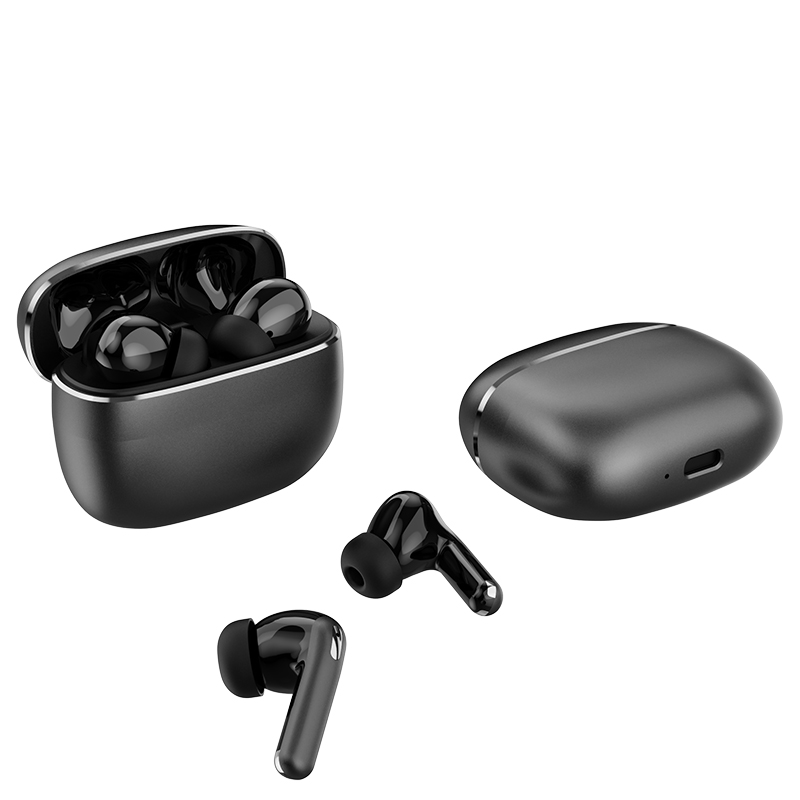
The sound signature of ergonomic in-ear Bluetooth earphones depends on how the silicone tip seals the ear canal. This seal forms a miniature acoustic chamber. Even small changes in the seal can shift tonal balance. Manufacturers, therefore, design silicone tips with precise wall thickness, material density, and shape geometry. These elements control airflow, damping, and resonance.
A tight seal enhances low-frequency performance. When air leakage decreases, bass frequencies gain depth and weight. Meanwhile, the mid and high frequencies remain stable because sound pressure remains consistent. This consistency delivers detailed vocals and balanced instruments. For users, this creates a more immersive listening experience.
However, the seal must remain comfortable. Excessive pressure damages comfort and causes fatigue. Designers, therefore, tune silicone elasticity. Softer compounds reduce canal pressure, while firmer compounds maintain shape during movement. The ideal blend balances flexibility and structural stability.
Additionally, silicone tips reduce micro-vibrations during motion. Stable tips prevent sound disruption when users walk or exercise. This stability supports consistent sound quality across daily activities. The result is a refined listening experience that feels natural during both stillness and movement.
The Connection Between Fit and Noise Isolation
Noise isolation remains a key expectation in ergonomic in-ear Bluetooth earphones. Users seek a quiet environment even in crowded spaces. The silicone tip controls passive isolation. Its seal reduces external noise across a wide frequency band. This isolation improves vocal clarity during calls and enhances low-level detail in music.
Unlike electronic noise cancellation, passive isolation does not require power. It depends purely on fit. Silicone tips must therefore create full contact without causing discomfort. Their elastic surface fills small gaps where air could enter. This prevents external noise from leaking through the seal.
A stable seal also improves active noise cancellation performance. ANC algorithms work best when external noise is already reduced. The silicone tip provides this foundation. As a result, users experience deeper silence and clearer audio.
Moreover, noise isolation supports hearing health. When isolation improves, users lower their volume. Lower volume reduces long-term strain and prevents auditory fatigue. Silicone tips thus contribute to safer listening. This protection grows more important as people use wireless earphones for many hours each day.
Material Science Behind Advanced Silicone Formulations
Modern silicone ear tips rely on extensive material engineering. Designers carefully study hardness, density, elasticity, and skin response. Each parameter affects comfort and performance. The goal is to produce a tip that bends easily yet retains reliable structure.
Medical-grade silicone has become standard. It avoids irritation and resists bacterial growth. Its smooth surface prevents dirt accumulation. Users can clean the tips easily with basic rinsing. This hygiene advantage enhances long-term usability.
Silicone maintains stability across temperature changes. Outdoor users face cold winters and warm summers. Many materials harden in cold conditions or soften under heat. Silicone keeps its form, ensuring the earphone feels consistent throughout the year.
Furthermore, silicone resists sweat and oils. It retains grip even as moisture increases, which supports stability during workouts. This resistance also protects internal components by preventing sweat infiltration.
Material scientists refine silicone blends to achieve consistent softness. A uniform blend avoids pressure spikes. It helps the tip adapt to canal movement without collapsing. These properties strengthen the ergonomic design of modern Bluetooth earphones.
Geometry and Structure: How Shape Controls Ergonomics
The geometry of the silicone tip influences comfort, stability, and sound. Designers use advanced modeling to shape profiles with smooth angles and strategic thickness. Each shape supports the ear anatomy differently. The most common shapes include standard dome, double-layer, and bullet profiles.
A dome shape offers broad contact. It suits general use and adapts to most ears. Double-layer tips extend the sealing surface, improving isolation. Bullet shapes sit deeper in the canal but require careful sizing to avoid pressure.
Shape determines how air flows around the tip. Airflow influences bass behavior. A well-proportioned shape keeps bass smooth without muffling detail. Some tips include micro-vents that balance pressure. These vents prevent internal vacuum sensations during insertion. They also reduce crackling noise when the earphone moves.
Thickness plays a key role. Thicker walls offer a stronger structure but may reduce softness. Thin walls feel gentle but deform more easily. Many ergonomic in-ear Bluetooth earphones use hybrid thickness, with thick bases and thin upper layers. This approach preserves stability while supporting comfort.
Furthermore, geometry affects attachment stability. A secure attachment prevents the tip from slipping off the earphone nozzle. Stable attachment reinforces reliability during daily use. It also prevents loss during storage or transport.
Size Variations and Personalized Fit
Every ear canal is unique. Universal sizes cannot serve all users. Manufacturers, therefore, provide multiple silicone tip sizes. Small, medium, and large remain standard. However, more advanced products include intermediate sizes or adaptive shapes. These variations add precision to comfort and seal performance.
Proper sizing starts with balanced depth. If the tip sits too shallow, it loses isolation. If it enters too deeply, it causes discomfort. The material must settle naturally without forcing insertion. Users feel immediate comfort when the size matches their anatomy.
Multiple sizes also improve the acoustic seal. The correct size supports full bass response without distortion. The user hears richer detail because sound pressure stays stable. This stability remains essential for wireless earbuds that target premium audio experiences.
Personalized fit also influences stability. Correct sizing ensures the earphones remain secure during movement. It prevents shifting or loosening. This security builds confidence during exercise or commuting. Users can move freely without adjusting the earphones repeatedly.
How Silicone Tips Support Long-Term Wear and Ergonomic Health
Long-term comfort reflects true ergonomic design. Silicone tips must distribute pressure evenly. Uneven pressure creates hotspots that lead to discomfort. A flexible tip spreads contact across soft skin areas. It avoids rigid contact that strains tissue.
Breathability matters as well. Although silicone is not porous, its smooth surface reduces friction and irritation. As users wear earphones for long periods, friction management becomes crucial. Silicone maintains low friction even with moisture present. This property prevents skin abrasion.
Additionally, silicone prevents irritation for sensitive users. Some materials cause allergies or reactions. High-quality silicone avoids such issues. It supports diverse skin types and age groups. This adaptability broadens its application across many user demographics.
Long-term wear also affects ear hygiene. Silicone tips resist bacterial growth. Their washable nature supports clean usage. Users maintain hygiene without specialized cleaning tools. This property extends the lifespan of ergonomic in-ear Bluetooth earphones.
Stability During Motion: The Hidden Engineering Target
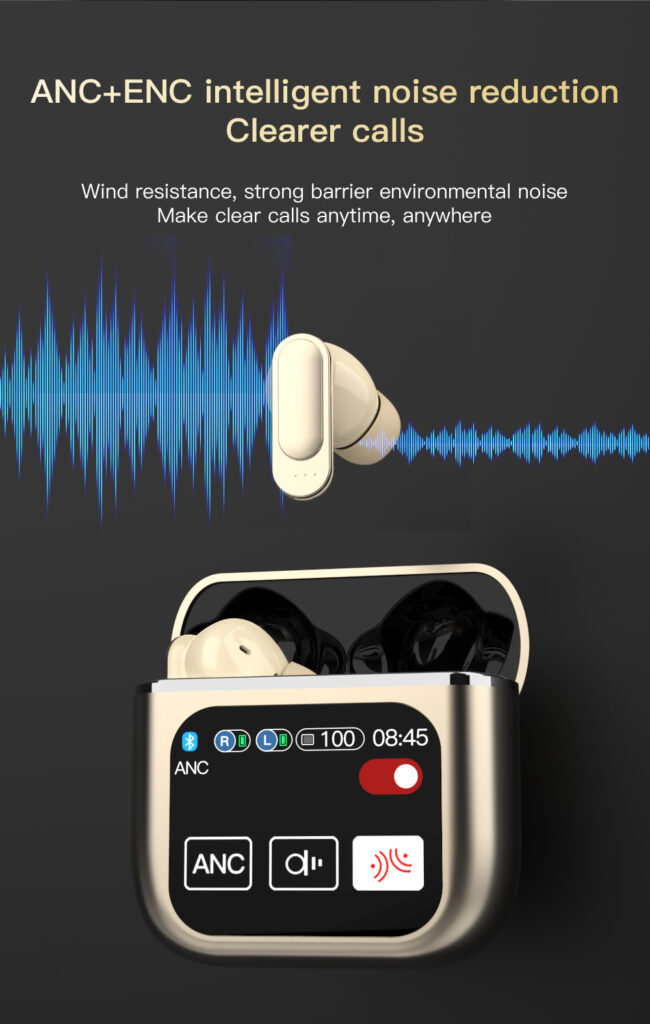
The rise of mobile lifestyles increases demand for stability. Users move constantly while wearing their earphones. Stability becomes a primary ergonomic requirement. Silicone tips play a direct role in this stability. Their elasticity maintains grip within the ear canal.
This grip prevents rotation and shifting. Even sudden movement does not loosen the seal. The earphone stays aligned with the canal. This alignment supports consistent sound and call quality.
Sweat resistance enhances motion stability. As moisture increases, many materials lose grip. Silicone maintains traction. This characteristic supports active users. It also protects the audio experience during exercise.
Additionally, silicone absorbs micro-shocks. Movement creates minor vibrations. These vibrations can cause acoustic disturbances. Silicone dampens these micro-shocks, allowing smooth audio playback. This damping strengthens the premium feel of the earphones.
Why Silicone Tips Influence Perceived Sound Quality
Perceived sound quality depends not only on drivers and processing but also on the seal. Listeners judge sound based on bass fullness, vocal clarity, and detail reproduction. These qualities improve when the silicone tip shapes a balanced acoustic seal.
A consistent seal minimizes leakage. Leakage reduces bass energy and shifts the soundstage. The earphone then sounds thin or distant. With proper sealing, the listener hears deeper bass, wider imaging, and richer instruments.
Silicone tip geometry also shapes resonance. The ear canal forms a natural resonant chamber. The tip adjusts this resonance subtly. Designers study these interactions to tune sound performance. Their adjustments deliver coherent and natural sound signatures.
High-quality silicone does not color the sound. Its neutral material properties avoid unwanted resonance. This neutrality supports accurate sound reproduction. As a result, users hear authentic audio without artificial emphasis.

The Future of Ear Tips in Ergonomic Bluetooth Earphones
Silicone tip innovation continues to advance. Future designs may include adaptive materials that adjust to canal shape. Some concepts explore memory-silicone compounds that mold to the user’s anatomy. Others investigate hybrid layers that combine silicone with foam-like textures.
Smart sensors may attach beneath the silicone layer. These sensors could track comfort, pressure, or body temperature. Such integration would refine ergonomic design and enhance health monitoring.
Additionally, new acoustic pathways may evolve. Designers may shape tips with micro-structured surfaces that guide airflow for improved clarity. These structures could refine bass performance or enhance imaging.
Sustainability will also guide future development. Recyclable silicone blends may replace traditional materials. This shift supports environmental goals without sacrificing performance.
Conclusion: Silicone Tips Stand at the Heart of Ergonomic In-Ear Design
Silicone ear tips appear simple, yet they shape nearly every aspect of ergonomic in-ear Bluetooth earphones. They control comfort, fit, isolation, stability, and acoustic performance. They adapt to human anatomy with natural precision. Through advanced material science and sophisticated geometry, they support the entire ergonomic philosophy behind wireless earphones.
As technology evolves, silicone tips will continue to guide innovation in fit and sound. They remain the crucial connection between engineering and user experience. Their hidden role ensures that ergonomic in-ear Bluetooth earphones deliver stable comfort, immersive sound, and reliable daily performance.