
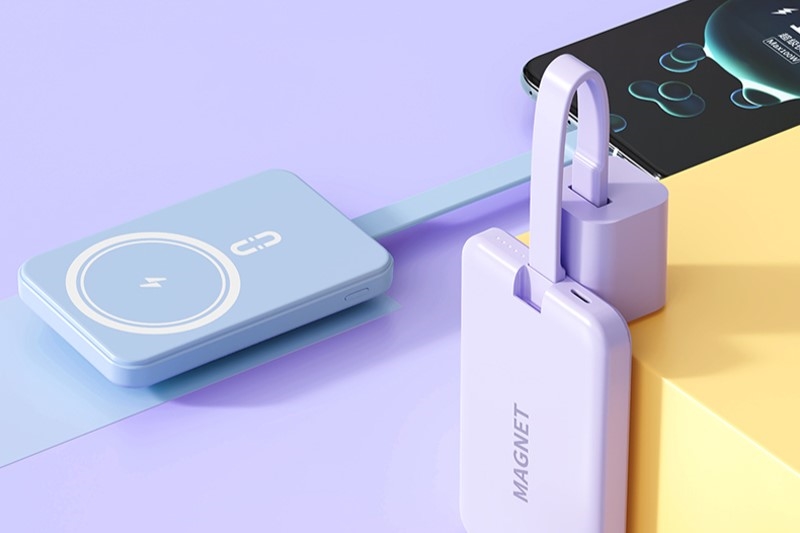
In today’s world, mobile power solutions have become essential. With the rise of powerful smartphones and portable devices, users demand reliable, convenient power banks. Consequently, manufacturers innovate to meet these needs. Among modern trends, slim magnetic power banks stand out as a popular choice. Nevertheless, many users still question the actual difference between magnetic and non‑magnetic power banks. This article explains why that difference matters. We will explore technology, performance, convenience, safety, and usability. Ultimately, we aim to help consumers make an informed choice.
First, let us define the products clearly. A magnetic power bank uses magnets to attach to compatible devices. In contrast, non‑magnetic power banks use cables or wireless charging without magnetic alignment. Although both products serve similar purposes, their design and user experience vary significantly. Therefore, the difference matters for practical use, performance expectations, and future device compatibility.
Understanding the Basics: Magnetic vs Non‑Magnetic Power Banks
What Is a Magnetic Power Bank?
A magnetic power bank integrates magnets into the power bank housing. These magnets align with specific device magnets. Typically, this technology follows the MagSafe standard or similar magnetic systems. As a result, the power bank snaps securely to the device surface. This connection ensures alignment of charging coils and maintains stable power delivery. Over recent years, slim magnetic power banks have risen in popularity. They offer convenience and streamlined charging without cables.
Importantly, magnetic power banks must match device magnet placements. Only then can they provide efficient magnetic attachment and charging. As a consequence, magnetic power banks often work best with specific device models. For example, many modern smartphones now support magnetic charging accessories. This trend drives demand for better magnetic power bank design and compatibility.
What Is a Non‑Magnetic Power Bank?
In contrast, non‑magnetic power banks provide power using cables or through standard wireless charging pads. These models do not include integrated magnets. Instead, they rely on physical connections or alignment without magnetic pull. Traditional power banks dominate the market due to affordability and universal compatibility. Most phones and devices can charge with any non‑magnetic power bank.
Nevertheless, cable dependency introduces friction into the user experience. Users must carry charging cables and secure them during use. Consequently, non‑magnetic power banks remain functional, yet lack the instant attachment convenience of magnetic alternatives.
Design and Portability: Magnetic Power Banks Lead
Portable power banks exist to serve mobile users. Therefore, design matters greatly. Here, magnetic power banks show notable advantages. First, slim magnetic power banks tend to emphasise thin, lightweight construction. Their magnetic modules also allow users to eliminate bulky cables. As a result, these products deliver on both portability and convenience.
By contrast, traditional non‑magnetic power banks include cable storage challenges. Users must manage loose cords or bulky adapters. Although some non‑magnetic models provide built‑in cables, this design adds weight and complexity. Consequently, magnetic power banks remain a more streamlined choice. They apply intuitive attachment features and minimal port clutter.
Moreover, slim magnetic power banks often prioritise aesthetic and ergonomic considerations. Their flat, compact surfaces reinforce pocket‑friendly form factors. In addition, magnets reduce wear and tear on connected ports over time. Users attach and detach the power bank without repeatedly plugging cables into fragile device ports.
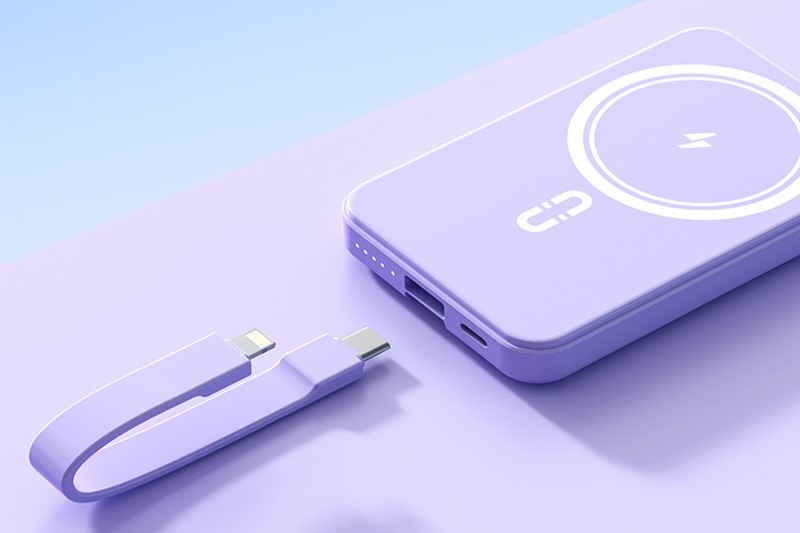
Charging Performance: Magnetic vs Non‑Magnetic
Performance forms a critical point of comparison. Both magnetic and non‑magnetic power banks deliver energy to mobile devices. However, the manner and efficiency differ.
Magnetic Power Bank Charging Efficiency
Magnetic power banks usually provide wireless charging through magnetic alignment. This design ensures devices stay precisely over the charging coils. When alignment is optimal, charging efficiency increases. As a result, magnetic power banks can achieve faster wireless charging speeds compared to traditional wireless pads. In addition, power transfer becomes more stable because the magnetic force prevents accidental misalignment.
Furthermore, many modern magnetic power banks offer high‑wattage output. These products support advanced fast charging protocols, including PD (Power Delivery) and PPS (Programmable Power Supply). As long as the device supports these protocols, users enjoy competitive charging rates with magnetic attachments.
Nevertheless, magnetic charging may produce slight heat due to near‑field energy transfer. Manufacturers compensate using built‑in heat dissipation technology. Advanced thermal design ensures stable output and safety. Therefore, performance remains consistent even during extended use.
Non‑Magnetic Power Bank Charging Performance
Non‑magnetic power banks offer both wired and wireless charging options. When wired, these models often deliver high power output. They support fast charging standards such as QC (Quick Charge), PD, and even multi‑port simultaneous charging. In certain cases, wired connections can be more efficient than magnetic wireless charging.
However, wired charging requires the correct cable type. Users must carry appropriate cables for each device. In addition, repeated plugging introduces potential wear on device ports. In contrast, the simplicity of magnetic attachment avoids this issue entirely.
Wireless non‑magnetic power banks also exist. These units offer charging without magnets. However, they rely on user alignment. When the phone is misaligned, charging efficiency drops. In this respect, magnetic power banks hold an advantage.
User Experience: Which Feels Better in Daily Life?
Real‑world user experience often defines product success. In daily life, magnetic power banks focus on ease of use. Users simply attach the bank to the device. Magnetic alignment and secure contact take effect instantly. With no cables to manage, users save time and frustration.
Also, because magnetic power banks remain attached, users can continue using their device during charging. The magnetic connection helps prevent accidental disconnects. This advantage proves especially useful for travelling, commuting, or quick top‑ups on the go.
In contrast, non‑magnetic power banks require cable connection or careful pad alignment. Although some users prefer wired connections for guaranteed efficiency, others find cables inconvenient. Untangling or storing cables detracts from the seamless experience many users expect today.
For people who value convenience and minimalism, magnetic power banks often feel superior. Their instant snap‑on charging fosters a sense of elegance and simplicity.
Compatibility and Ecosystem Support
Understanding device compatibility remains crucial when choosing a power bank. Magnetic power banks require device support for magnetic charging. Modern smartphones increasingly integrate magnetic systems. As a result, slim magnetic power banks work well with many new devices. However, older phones without magnetic support may require adapters.
Adapters can bridge compatibility gaps. They add a magnetic plate to the back of the phone or case. With proper installation, the phone then attaches magnetically. Nevertheless, this workaround may affect device aesthetics or add a layer of thickness.
Non‑magnetic power banks enjoy broader universal compatibility. Phones, tablets, Bluetooth accessories, and even laptops can connect with standard cables or wireless charging standards. For users with mixed devices from different generations, non‑magnetic power banks remain versatile.
Therefore, choosing between magnetic and non‑magnetic products depends on the device ecosystem. If most devices support magnetic charging, slim magnetic power banks offer a faster, cleaner experience.
Safety and Magnetic Impact
Safety remains a central concern for portable power solutions. Magnetic power banks use magnets. Many users worry magnets could harm phone internals or affect data storage. In reality, modern mobile devices use solid‑state storage. They resist magnetic interference. Manufacturers also design slim magnetic power banks to meet strict safety standards. Hence, magnets do not damage most current devices when properly engineered.
Moreover, magnetic power banks incorporate multiple safety protections. These systems include over‑current protection, short‑circuit prevention, temperature regulation, and foreign object detection. Comprehensive safety architecture ensures stable performance.
Likewise, non‑magnetic power banks provide safety features. Wired models typically include over‑voltage and over‑temperature safeguards. Wireless non‑magnetic chargers maintain foreign object detection to prevent hazards.
Overall, the safety gap between magnetic and non‑magnetic power banks has narrowed. Both product types now feature robust protection. Users should prioritise certified products from reputable brands to ensure safe long‑term use.
Design Trends and Consumer Preferences
Over recent years, consumer electronics have emphasised minimalism. Phones have become thinner, screens larger, and bezels smaller. In response, slim magnetic power banks align with these trends. Their sleek profiles and intuitive attachment resonate with modern lifestyles. Buyers increasingly choose power banks that complement device aesthetics.
In addition, magnetic power banks integrate clean charging experiences. No more loose cables, no awkward positioning, and no unstable contacts. This trend encourages designers to innovate still further. For example, multifunction magnetic hubs can connect to stands or cases, creating a unified ecosystem.
While non‑magnetic power banks remain mainstream, magnetic ones are shaping future expectations. Manufacturers now focus on delivering user‑centric design and effortless daily utility.
Price Differences and Value Assessment
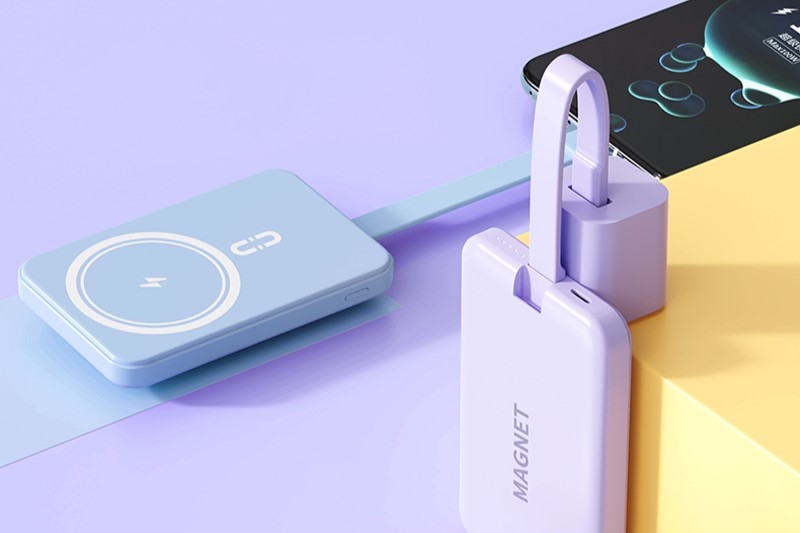
When comparing magnetic and non‑magnetic power banks, price often influences purchase decisions. Magnetic power banks typically cost slightly more. Enhanced design, integrated magnets, and advanced wireless systems contribute to the higher price. However, consumers often find added convenience worth the premium.
Non‑magnetic power banks, especially basic wired models, rank among the least expensive options. They deliver reliable power without additional features. For budget‑conscious buyers, non‑magnetic models remain viable.
Nevertheless, value extends beyond the price tag. Slim magnetic power banks save cable costs and offer a better experience for users with compatible devices. Therefore, the total value may exceed upfront price differences.
Final Comparison: Key Takeaways
Both magnetic and non‑magnetic power banks serve essential purposes. However, the difference matters based on user priorities and device ecosystems. Here is a summary:
- Design and Portability: Magnetic power banks win with slim profiles and no cables.
- Performance: Magnetic models offer stable wireless charging, while non‑magnetic models excel in wired efficiency.
- User Experience: Magnetic attachment delivers seamless convenience.
- Compatibility: Non‑magnetic power banks remain more universally compatible.
- Safety: Both types now include robust safety protections.
- Price and Value: Magnetic power banks cost more but offer long‑term convenience.
Ultimately, selecting the right power bank depends on individual needs. For users with modern devices and magnetic charging support, slim magnetic power banks deliver superior ease and performance. For those with multiple devices and cable preferences, non‑magnetic power banks remain essential.
Conclusion
Understanding the difference between magnetic and non‑magnetic power banks helps users buy smarter. Technology is advancing rapidly, and product design reflects real user needs. While both product categories fulfill the core function of portable charging, magnetic power banks shape the future of mobile power with intuitive solutions and seamless integration. As users demand more convenience and mobility, the role of slim magnetic power banks becomes increasingly significant.
By focusing on real usage scenarios, technical differences, and future trends, users can confidently choose the power bank that best suits their lifestyle. Whether you prioritize universal compatibility or magnetic convenience, this guide empowers informed decisions for reliable mobile power.