Choosing between ear hook vs ear clip headphones is an important decision for brands entering the open-ear audio market. Both designs keep the ear canal open while delivering wireless audio. However, they offer different approaches to wearing stability, comfort, product appearance, and hardware integration.
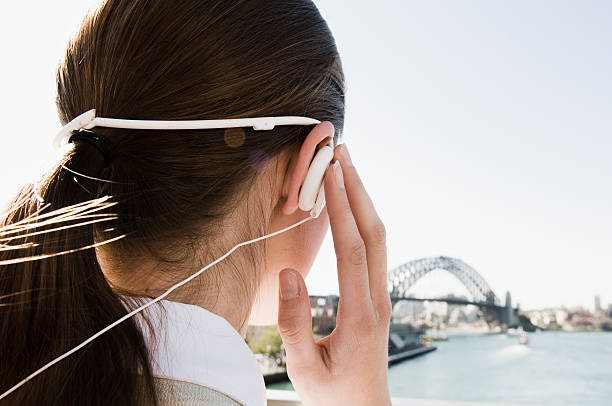
Ear hook headphones typically wrap around the outer ear. This structure provides additional support during running, cycling, and other active movements. Ear clip headphones use a compact bridge to hold the device around the outer ear. Their smaller appearance creates more opportunities for fashion-oriented product positioning.
For Bluetooth headphone brands, neither design is universally better. The right choice depends on the target audience, intended applications, industrial design, and product specifications.
This guide compares both open-ear headphone designs from an ergonomic and commercial perspective. It also explains how brands can select the right form factor for their product portfolios.
1. The Two Dominant Form Factors in Open-Ear Audio Design
Open-ear headphones use different physical structures to position their speakers near the ears without sealing the ear canals. Among current designs, ear hook and ear clip styles are two recognizable options.
Although both deliver open-ear listening, their wearing mechanisms create different product experiences.
1.1 Ear Hook Design: A Wraparound Support Structure
Ear hook open-ear headphones feature a curved support that extends around the outer ear. The speaker unit usually sits near the ear canal entrance, while the hook follows the ear’s natural contour.
This design distributes the device’s weight across multiple contact areas. The structure also helps prevent the speaker unit from shifting during movement.
Typical characteristics include:
- A visible hook that wraps around the ear.
- A relatively secure fit for active use.
- More room for battery and acoustic components in some designs.
- A sporty appearance that suits outdoor and fitness products.
- A larger physical structure than many compact ear clip models.
1.2 Ear Clip Design: A Compact C-Bridge Structure
Ear clip headphones use a curved bridge to position the speaker around the outer ear. The front acoustic unit and rear support component hold the ear between them.
Many models use flexible materials or spring structures to maintain contact. Soft silicone contact surfaces can also help reduce localized pressure.
Typical characteristics include:
- A compact C-shaped or clip-on structure.
- A lightweight, accessory-like appearance.
- Less visual bulk than many traditional ear hook models.
- Potential compatibility with selected glasses designs.
- Greater emphasis on appearance and everyday wear.
The exact structure varies by manufacturer. Some ear clip models use flexible bridges, while others use different spring and support arrangements.
1.3 Quick Comparison: Ear Hook vs. Ear Clip
| Evaluation Factor | Ear Hook Headphones | Ear Clip Headphones |
|---|---|---|
| Wearing structure | Wraps around the outer ear | Clips around the outer ear |
| Main design priority | Stability and support | Compactness and appearance |
| Sports positioning | Often suitable for active movement | Depends on clamping force and fit |
| Visual appearance | Sporty and technical | Minimalist and fashion-oriented |
| Battery integration | Larger housings may provide more space | Compact housings may limit available space |
| Glasses compatibility | Depends on hook position | Depends on bridge shape and glasses design |
| Pressure distribution | Distributed across hook contact areas | Concentrated around clip contact areas |
| Product positioning | Sports and outdoor audio | Lifestyle and fashion audio |
The table describes common design tendencies rather than fixed performance specifications. Actual comfort, stability, and battery capacity depend on the complete product design.
2. Ear-Hook Design: Stability for Sports and More Flexible Hardware Integration
Ear hook headphones are commonly associated with sports and outdoor listening. Their wraparound structure provides additional mechanical support, making them a strong option for users who prioritize wearing stability.
However, the benefits extend beyond the wearing mechanism. The housing structure can also offer manufacturers more flexibility when arranging internal components.
2.1 Wraparound Support Helps Reduce Movement
During running, jumping, or rapid head movement, headphones experience repeated changes in direction and acceleration.
A conventional ear hook design uses several contact areas to help stabilize the device:
- The speaker housing rests near the ear opening.
- The hook follows the outer ear contour.
- The rear or upper contact area helps resist unwanted rotation.
This arrangement can distribute movement-related forces across multiple points. It also reduces the likelihood of the speaker unit shifting away from its intended position.
For sports-oriented products, manufacturers should evaluate more than the hook’s appearance. Important design factors include:
- Hook curvature and overall dimensions.
- Contact area and material flexibility.
- Speaker housing weight and balance.
- Fit across different ear shapes.
- Stability during running and head movement.
A poorly fitted ear hook can still create pressure or move during exercise. Therefore, fit testing across different users is essential.
2.2 More Housing Space Can Support Larger Batteries
Ear hook headphones often have a larger physical structure than compact ear clip models. This can create more space for battery placement and internal component arrangement.
For brands developing long-lasting sports headphones, this design flexibility can be useful.
A larger battery may support longer playback time, depending on the following factors:
- Battery capacity and cell dimensions.
- Bluetooth chipset power consumption.
- Speaker driver efficiency.
- Volume level and listening conditions.
- Microphone and additional feature usage.
However, a larger housing does not automatically guarantee longer battery life. Brands should evaluate actual playback test results under clearly defined conditions.
Battery capacity must also be balanced against overall weight. An oversized battery may make the headphones less comfortable during extended exercise.
2.3 More Flexible Acoustic Component Integration
The additional housing space in some ear hook designs can also simplify the integration of larger acoustic components.
For example, manufacturers may have more flexibility when arranging:
- Dynamic speaker drivers.
- Acoustic chambers.
- Battery cells.
- Bluetooth and audio control components.
- Microphones and charging contacts.
A larger driver does not automatically produce better sound. Acoustic performance also depends on driver materials, tuning, chamber design, frequency response, and the position of the speaker relative to the ear.
For B2B buyers, the important question is whether the complete acoustic system meets the product’s intended performance requirements.
2.4 Best Applications for Ear Hook Headphones
Ear hook headphones are worth considering for brands targeting:
Sports and fitness: Running, gym workouts, cycling, and outdoor exercise often require additional wearing support.
Outdoor activities: Users may prioritize stability and battery performance during longer listening sessions.
Performance-oriented electronics: Brands with a technical or sports-focused identity may find the wraparound structure easier to align with their existing product positioning.
For these applications, brands should prioritize secure fit, weight balance, sweat resistance, and verified battery performance.
3. Ear-Clip (C-Bridge) Design: Lightweight Appearance, Glasses Compatibility, and Fashion Appeal
Ear clip headphones offer a different approach to open-ear audio. Instead of using a visible wraparound hook, they hold the device around the outer ear through a compact bridge.
This creates a more minimal appearance and gives brands additional opportunities to develop lifestyle-oriented products.
3.1 A Compact Structure Creates a More Minimalist Look
The C-bridge structure is one of the defining characteristics of ear clip headphones.
The front component generally houses the speaker, while the rear component provides support. A curved bridge connects the two sections and maintains their position around the outer ear.
Compared with many traditional ear hook designs, ear clip headphones can appear smaller and more discreet.
This makes them suitable for brands exploring:
- Minimalist consumer electronics.
- Fashion-inspired Bluetooth accessories.
- Everyday commuting products.
- Lifestyle and beauty retail channels.
- Compact open-ear audio collections.
Their appearance can also make product photography and color customization important parts of the merchandising strategy.
3.2 Glasses Compatibility Depends on Structural Design
Glasses compatibility is a practical consideration for open-ear headphone buyers.
Some ear hook designs occupy the area behind or above the ear. This may create interference with certain glasses frames, especially when the hook and temple arms compete for the same space.
Ear clip headphones may offer an alternative because their support structure can be more compact. However, they are not automatically compatible with every pair of glasses.
The actual wearing experience depends on:
- The position of the glasses temple arms.
- The thickness and curvature of the ear clip.
- The location of the rear support component.
- The shape of the user’s outer ear.
- The pressure created when both products are worn together.
For brands targeting glasses wearers, product testing should include different frame shapes and temple thicknesses.
A glasses-friendly claim should be supported by real-world fit testing rather than the product’s appearance alone.
3.3 Fashion-Oriented Design Creates More Merchandising Opportunities
Ear clip headphones have a strong visual connection with ear accessories. Their compact structure provides opportunities for brands to explore more distinctive industrial designs.
Potential design directions include:
- Metallic finishes.
- Transparent or translucent housings.
- Soft-touch surface treatments.
- Minimalist neutral colors.
- Decorative geometric shapes.
- Premium finishes inspired by jewelry accessories.
These options can help brands differentiate their products in lifestyle and fashion-oriented retail channels.
However, visual appeal alone does not guarantee stronger sales. Commercial performance also depends on pricing, product quality, comfort, brand positioning, and distribution channels.
3.4 Best Applications for Ear Clip Headphones
Ear clip headphones may be a suitable choice for brands targeting:
Everyday lifestyle users: Consumers who want open-ear listening during commuting, shopping, or daily activities.
Fashion-oriented customers: Buyers who value product appearance and accessory-style designs.
Beauty and lifestyle retailers: Brands looking to expand from traditional electronics into fashion-related accessories.
Compact consumer electronics: Businesses seeking a visually distinctive alternative to conventional ear hook headphones.
For these products, brands should balance appearance with clamping comfort, acoustic positioning, and long-term wearing experience.
4. Ergonomic Stress Points: Ear Pinna Pressure vs. Helix Clamping Force
Comfort is one of the most important factors when comparing ear hook vs ear clip headphones.
Both structures keep the ear canal open, but they apply mechanical support differently. This changes where users may feel pressure during extended wear.
4.1 Ear Hook Headphones: Weight Distribution Across Contact Areas
Ear hook headphones use a curved structure to support the device around the outer ear.
Depending on the design, the hook may contact the upper ear, rear ear area, and other parts of the outer ear. These contact areas help distribute the device’s weight.
A well-designed ear hook should balance three factors:
Weight distribution: The speaker housing should not place excessive downward force on one small area.
Hook flexibility: The hook should provide sufficient support without feeling excessively rigid.
Contact surface: Smooth surfaces and suitable cushioning can improve the wearing experience.
If the hook curvature does not match the user’s ear shape, pressure may concentrate around the upper ear or behind the ear.
Therefore, manufacturers should test multiple hook sizes or fit variations when targeting a broad consumer market.
4.2 Ear Clip Headphones: Managing Clamping Force
Ear clip headphones rely on a bridge or spring structure to maintain contact with the outer ear.
This design creates a different ergonomic challenge: the device must provide enough clamping force to remain stable without creating excessive pressure.
Two design elements are particularly important.
Bridge flexibility
Some products use flexible metal components, including memory-metal structures, to help the bridge adapt to different ear shapes. The material and mechanical design determine how the bridge responds to repeated bending and wearing.
Soft contact materials
Silicone or other soft materials can be applied to contact surfaces. These materials may improve surface comfort and reduce direct contact with harder components.
However, soft materials cannot compensate for excessive clamping force. A clip that is too tight may cause discomfort even when its contact surfaces are cushioned.
4.3 Ergonomic Comparison for Product Development
| Design Consideration | Ear Hook | Ear Clip |
|---|---|---|
| Main support mechanism | Wraparound structure | Spring or bridge-based clamping |
| Potential pressure area | Hook contact areas and upper outer ear | Front and rear clip contact points |
| Key design challenge | Matching hook curvature to ear shape | Balancing clamping force and stability |
| Material considerations | Flexible polymers, silicone contact areas | Flexible bridge materials, silicone cushioning |
| Fit evaluation | Hook shape, weight balance, contact points | Bridge width, spring force, contact pressure |
| Extended-wear testing | Check localized pressure and movement | Check clamping discomfort and skin contact |
4.4 What Should Manufacturers Test?
Before launching either design, brands should evaluate comfort across different users and wearing conditions.
A practical testing program can include:
- Initial fit testing: Check whether users can put on and remove the headphones easily.
- Pressure assessment: Identify localized pressure around the outer ear.
- Extended-wear testing: Evaluate comfort during longer listening sessions.
- Movement testing: Check whether the device shifts during walking, running, or head movement.
- Fit diversity testing: Include different ear shapes and sizes.
- Material evaluation: Review skin-contact materials, surface finishing, and durability.
For B2B buyers, these checks are especially important when comparing samples from different suppliers. Two products with similar appearances may deliver very different wearing experiences.
5. Merchandising Guide: Selecting the Right Form Factor for Your Brand Positioning
The choice between ear hook and ear clip headphones should begin with the target customer rather than the product’s appearance alone.
Brands should consider the primary use case, expected wearing experience, retail channel, and hardware requirements before finalizing a product design.
5.1 Choose Ear Hook Headphones for Sports and Performance-Oriented Brands
Ear hook headphones are a logical option for brands focused on active users.
Their wraparound structure can provide additional support during exercise. The larger housing of some models may also offer more flexibility for battery and acoustic component integration.
Consider this design when your target market includes:
- Running and fitness enthusiasts.
- Outdoor sports consumers.
- Cycling and training product buyers.
- Users who prioritize wearing stability.
- Customers looking for longer playback performance.
For product development, prioritize hook geometry, balanced weight, sweat resistance, and verified battery performance.
5.2 Choose Ear Clip Headphones for Lifestyle and Fashion-Oriented Brands
Ear clip headphones may be more suitable when product appearance is a major part of the brand’s positioning.
Their compact structure creates opportunities for fashion-inspired finishes and distinctive product styling.
Consider this design when your target market includes:
- Lifestyle electronics consumers.
- Fashion-conscious buyers.
- Everyday commuters.
- Customers interested in compact open-ear products.
- Retailers expanding into accessory-style audio products.
For product development, focus on clamping comfort, bridge flexibility, surface materials, color options, and fit compatibility.
5.3 Product Positioning Comparison
| Brand Positioning | Suggested Design | Main Development Priorities |
|---|---|---|
| Sports and fitness | Ear hook | Stability, weight balance, sweat resistance |
| Outdoor electronics | Ear hook | Battery performance, durability, fit |
| Performance audio | Ear hook | Acoustic tuning, component integration |
| Fashion accessories | Ear clip | Appearance, finish, color customization |
| Lifestyle electronics | Ear clip | Compactness, comfort, everyday usability |
| Beauty and accessory retail | Ear clip | Industrial design, packaging, visual differentiation |
These recommendations are starting points, not strict rules. A sports brand can develop ear clip products, while a fashion brand can offer ear hook models. Product testing and customer feedback should guide the final decision.
Conclusion: Match the Headphone Structure to the User Experience
When comparing ear hook vs ear clip headphones, the key difference is how each design balances wearing stability, comfort, appearance, and internal hardware space.
Ear hook headphones generally offer a more supportive wraparound structure. They are worth considering for sports, outdoor activities, and performance-oriented product lines.
Ear clip headphones provide a compact, accessory-inspired appearance. They offer more design opportunities for lifestyle and fashion-oriented products, although clamping comfort and individual fit require careful evaluation.
For Bluetooth headphone brands, the best product is not necessarily the one with the most features or the smallest structure. It is the one that matches the intended customer, performs reliably in its target application, and delivers a comfortable wearing experience.
AiL supports customized Bluetooth headphone development for brands and wholesale buyers. When evaluating an open-ear headphone project, discuss your target market, preferred wearing structure, design requirements, and hardware specifications with the product development team. These details provide a stronger foundation for selecting the right product direction.