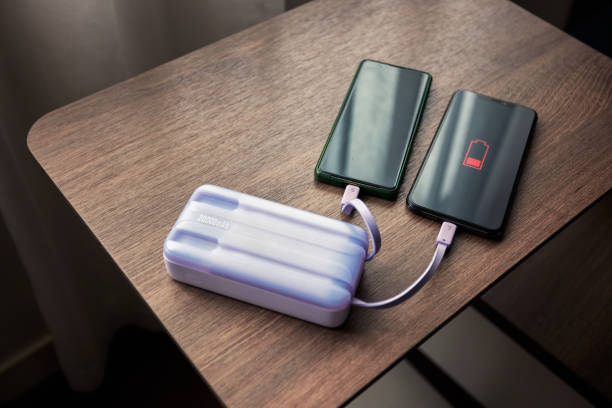
Many corporate gift buyers, distributors, and procurement managers consider durability when selecting a power bank with a built-in cable. While integrated cable designs improve portability and convenience, buyers often ask an important question: How durable is the built-in charging cable during everyday use?
Frequent bending, pulling, and daily handling can affect cable performance over time. Therefore, understanding cable construction, material quality, and durability testing is essential before making a purchasing decision. A reliable integrated cable power bank can reduce after-sales issues, improve customer satisfaction, and strengthen brand reputation.
This guide explains the key factors that influence built-in cable durability, including material selection, bending cycle testing, structural design, and manufacturing quality. By understanding these factors, corporate buyers and OEM sourcing teams can choose power banks that provide reliable performance and long-term value.
The Structural Risk: How Cable Failures Target Corporate Brand Reputation
When you distribute electronic hardware through corporate gift channels or retail stores, product durability directly impacts your brand equity. Within the portable charging market, a broken integrated power wire stands out as a leading cause of negative customer reviews, post-sale complaints, and expensive product returns. Because the built-in cable acts as a permanent, non-replaceable part, a single wire snap renders the entire device useless, turning a luxury corporate gift into electronic waste.
To prevent these embarrassing failures, premium leather-wrapped charging devices utilize reinforced Thermoplastic Elastomer (TPE) integrated cable shielding systems. Furthermore, engineers add advanced stress-softening internal matrix structures at the connection points. Under strict laboratory conditions, these high-spec assemblies easily survive over 10,000 continuous bending cycles, ensuring the product handles daily stress smoothly.
Three Essential Engineering Factors for Cable Durability
Achieving excellent field reliability requires factories to optimize specific design elements where the flexible cord meets the solid battery housing.
1. Advanced Cable Outer Jacket Insulation Material
The choice of outer plastic shielding dictates how well the wire resists cracking over time. Standard budget factories often use cheap Polyvinyl Chloride (PVC) plastic jackets, which harden and become brittle when exposed to air conditioning or cold weather. Premium manufacturers use high-grade Thermoplastic Elastomer (TPE) instead. TPE retains excellent elasticity and bend recovery across a wide temperature range, preventing surface cracks from forming during everyday use.
2. Heavy-Duty Stress-Concentration Relief Design
The point where a wire exits a solid power bank shell experiences the highest physical stress when a user pulls or twists the cord. Cheap designs leave this exit point thin and unprotected, causing the wire to kink and snap. Reliable systems integrate a thickened, tapered strain-relief boot at the exit joint. This protective collar safely distributes mechanical bending forces across a longer section of the wire, preventing sharp creases.
3. High-Strength Internal Connector Fixed Anchor Methods
Daily charging requires users to tug and pull cords out of tight smartphone ports continuously. If a factory relies on basic plug-in pins to secure internal wires to the primary circuit board, these tugs will eventually pull the connections loose. High-reliability manufacturing lines use robust welded anchor plates instead, locking the metal contacts directly to the circuit board chassis to withstand aggressive pulling.
Strategic Sourcing Checkpoints for B2B Procurement Officers
Corporate purchasing managers must look past basic laboratory numbers and demand comprehensive environmental test reports from their suppliers.
- Insist on Multi-Temperature Bending Logs: Do not accept a supplier quote that only showcases a single room-temperature testing metric (25℃). Always require verified engineering reports that track cable flexibility across extreme temperature points, such as -10℃ winter chills and 40℃ summer heat waves.
- Prioritize High-Grade TPE Over PVC: Verify that your manufacturing partner avoids rigid PVC plastics. Ensure they specify high-performance TPE outer skins to reduce real-world cracking risks in cold climates.
- Audit the Internal Joint Assembly: Confirm that the factory uses robust welded joints rather than fragile friction-fit pins to connect the internal charging wire to the primary power management system.
Conclusion: Secure Your Promotional Investment with Proven Quality
In conclusion, scaling a successful luxury corporate gift line or high-end retail brand requires choosing rugged electronic components that prioritize long-term durability.
Stop risking your marketing budget and company reputation on low-tier portable power packs that fray, crack, and fail after a few weeks of use. Upgrading your corporate inventory to our fully verified power bank with built-in cable platforms guarantees excellent wire flexibility, beautiful leather styling, and flawless charging performance. We engineer every integrated charging circuit and strain-relief joint to protect structural integrity and deliver an exceptional user experience.
Contact our technical sales division today to review our temperature-controlled stress reports and secure your next wholesale custom order.