
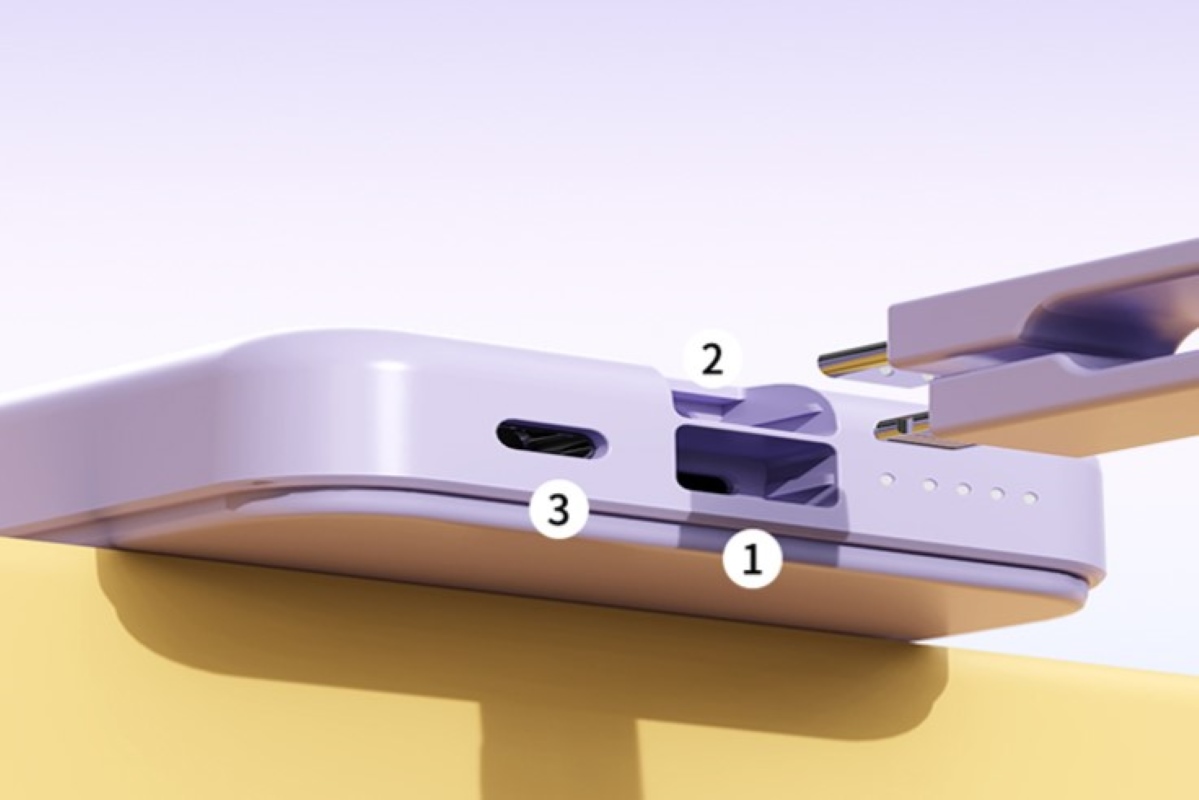
Portable battery packs have undergone a massive design evolution over the last few years. We transitioned from bulky bricks requiring external cords to sleek devices featuring integrated wiring. The introduction of the detachable built-in cable power bank represents the next major leap forward in mobile charging infrastructure.
While first-generation integrated chargers fixed the “forgotten cord” dilemma, their permanently attached wires introduced a frustrating vulnerability: if the cord frayed, the entire device became useless. By upgrading to a modular layout, modern hardware eliminates this mechanical bottleneck. This comprehensive travel guide explores why a replaceable charging loop is a mandatory feature for your next trip, saving you money and reducing electronic waste.
1. The Flaw of Permanently Fixed Wiring
Traditional power banks with integrated cords offer great convenience up front, but they suffer from a major design flaw: a lack of hardware redundancy.
The charging cable is the most heavily used component of a portable battery. It is continuously twisted, bent, pulled, and packed into tight bags. Over months of travel, this mechanical stress causes frayed insulation or broken copper strands near the connector base.
With a permanently fixed design, a broken wire means the entire power bank loses its core value. Even if the internal lithium cells and motherboard are in perfect condition, the user is forced to discard the machine or carry an extra external cord anyway, defeating the purpose of buying an integrated device.
 Traditional Fixed Wire:      [Broken Cable Skin] ──> [Whole Power Bank Becomes E-Waste]
 Modular Detachable Wire:     [Broken Cable Skin] ──> [Unplug Old Cable ──> Snap in Replacement]
2. The Three Massive Advantages of a Modular Detachable Design
A modular power bank design solves this vulnerability by using a high-density, low-profile internal plug connection that lets you disconnect the built-in wire whenever necessary. This simple engineering change unlocks three distinct travel benefits:
Advantage A: Emergent Independence (Using it as a Standalone Cord)
When traveling, your charging environment changes constantly. If you find yourself in an airport terminal or hotel room where the wall outlet is far away, you can pull the modular cable completely out of the power bank chassis and use it as a standard, independent cord. Connecting it directly into a USB-C wall brick lets you charge your phone from across the desk without needing a separate charging kit.
Advantage B: True Right-to-Repair (Zero-Waste Cable Replacement)
Cables break—it is an inevitable reality of consumer electronics. With a replaceable charging cable configuration, a frayed cord is no longer a financial disaster. You don’t have to throw away a perfectly functional, premium battery. Instead, you simply unplug the damaged cord from its recessed socket and snap in an inexpensive replacement loop, instantly restoring the device to 100% operational health.
Advantage C: Easy Cleaning and Interface Hygiene
Portable chargers spend their lives inside lint-filled pockets, sandy beach bags, and dusty backpacks. Over time, particles lodge inside the male charging connectors, leading to poor connection pins or slow charging speeds. Because the modular cable detaches completely, you can safely wash the strap, clean out the port channels, and wipe down the interfaces without exposing the main battery housing to moisture or static short circuits.
3. Smart Storage Engineering: Hidden Channels and Tangle-Free Packing
A premium detachable battery pack relies on smart structural integration to keep your gear organized. Advanced models feature a precision-molded internal storage slot cut directly into the side wall of the frame.
  AiL Flush Storage Layout:
  ┌───────────────────────────────────────────┐
  │  [Recessed Modular Port]                  │
  │  ███████████████████████████████████████  │ ──> (Cable snaps completely flush into
  │  [Form-Fitted Anti-Snag Alignment Channel]│      frame, preventing pocket snagging)
  └───────────────────────────────────────────┘
When you are on the move, the flexible cable presses entirely flat into this form-fitted slot, leaving no loose loops to catch on keys, passports, or bag zippers. This flush setup provides a completely smooth outer shell that glides easily into tight pockets, delivering a clean packing solution for minimalists.
4. Sourcing & Procurement Checklist for Smart Buyers
When evaluating a modular portable charger for your travel inventory, look past the outer casing and audit these three technical specifications:
- Material Grade (Braided Nylon vs. Heavy-Duty TPE): Avoid cheap PVC coatings that turn brittle and crack under temperature shifts. Opt for flexible TPE compounds or dual-layer braided nylon covers. These premium materials handle tight bends easily while remaining comfortable when used as a carrying strap.
- Mating Cycle Lifespan: The internal socket where the cable connects to the main body must withstand repeated use. Premium tier-1 builders use structural connectors rated for ≥ 5,000 continuous plug-and-unplug cycles, ensuring the modular junction remains tight and maintains steady electrical current over years of use.
- Eco-Friendly Footprint Compliance: Choosing repairable, modular hardware reduces your individual carbon footprint and cuts down on hazardous e-waste. By extending the operational life of the heavy lithium cells, you help conserve global rare-earth mining resources.
Conclusion: Smart Mobility for the Modern Traveler
True travel convenience means carrying gear that is highly functional, exceptionally reliable, and built to last through harsh transit conditions.
Stop wasting money on single-piece power banks that end up in landfills the moment a charging tip gets bent or frayed. By upgrading to a premium detachable built-in cable power bank, you secure a versatile, user-repairable, and highly efficient charging system engineered to handle the realities of global travel. Explore AiL’s latest generation of modular power banks today to discover premium engineering designed to streamline your packing list.