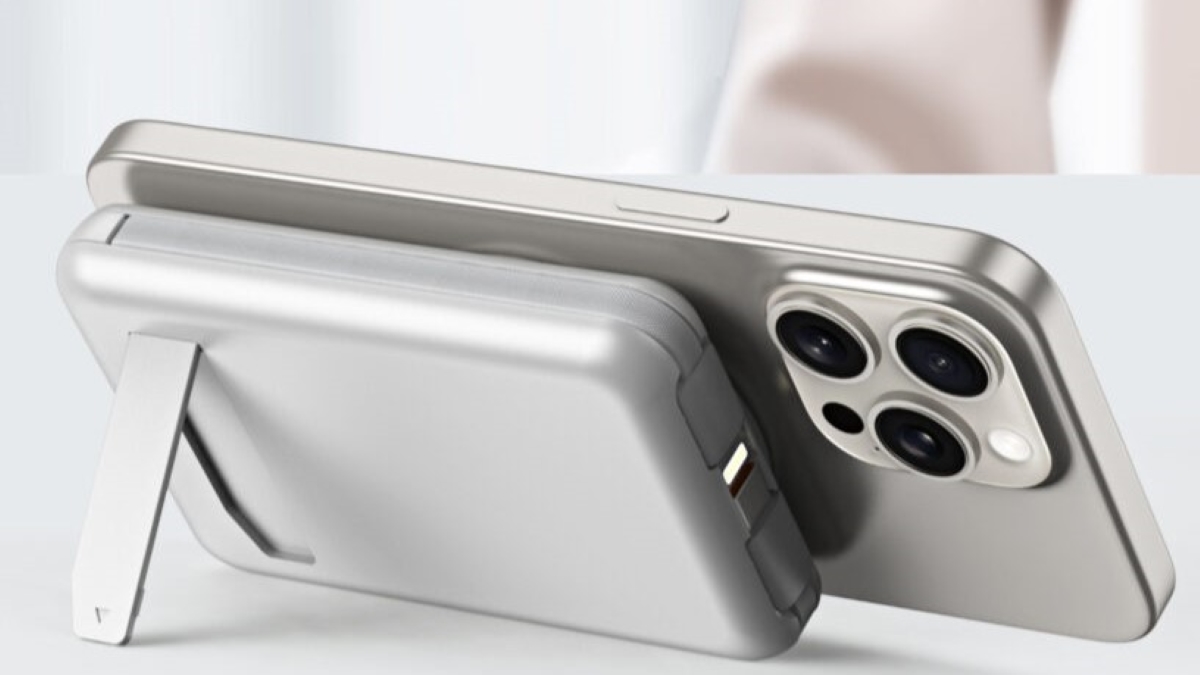
Consumer electronics distributors, mobile accessory retailers, and tech-savvy consumers frequently evaluate the balance between wireless charging convenience and device safety. Because magnetic wireless power banks attach directly to the back of smartphones, users quickly notice thermal changes during active charging sessions. Consequently, retail customers frequently approach accessory suppliers with urgent safety questions, asking: “My magnetic power bank gets warm while charging my phone—is this level of heat generation a normal physical occurrence, or does it indicate an impending battery safety hazard?”
Ignoring power bank thermal behavior or failing to educate consumers on wireless charging physics leads to unnecessary product returns and customer dissatisfaction. While mild heat generation during energy transfer remains completely normal, unmonitored extreme overheating or swollen lithium-polymer cells represent genuine safety hazards. This comprehensive consumer and distributor guide explores magnetic power bank heat dynamics, details active safety protection mechanisms, and outlines essential buying guidelines for portable power banks.
1. Electromagnetic Energy Transfer: Why Magnetic Chargers Warm Up
To understand why magnetic power banks generate thermal energy during operation, users must examine the fundamental physics of inductive power transfer.
Inductive Energy Loss
Magnetic wireless power banks transfer energy through electromagnetic induction. Primary transmitter coils inside the power bank generate an alternating magnetic field, which induces an electric current in the receiver coil inside the smartphone. Because energy conversion across air gaps and glass casings is not 100% efficient, lost energy dissipates as localized heat.
Acceptable Operational Warmth
When a magnetic power bank feels gently warm to the touch without causing hand discomfort, it operates within normal efficiency boundaries. Users can safely continue charging their devices under these conditions.
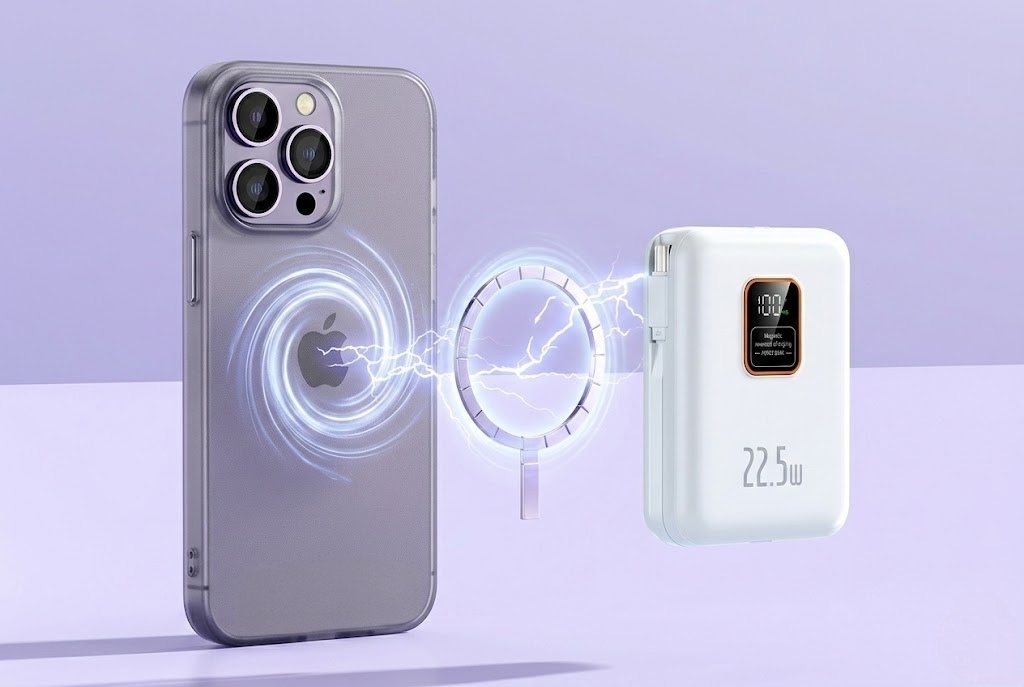
2. Thermal Protection Mechanisms: How Power Banks Manage Heat
Modern portable power banks utilize multi-layered hardware protection systems to control internal temperatures and preserve battery health.
| Protection Stage | How the System Responds | Benefit |
|---|---|---|
| 1. Heat Detection | Built-in NTC thermistors continuously monitor battery temperature. | Detects abnormal heat early. |
| 2. Power Throttling | The charging IC automatically reduces charging power. | Lowers heat generation and protects the battery. |
| 3. Active Cooling | Premium models activate internal cooling fans when needed. | Dissipates excess heat and improves charging stability. |
| 4. Auto Shutdown | The protection circuit stops charging if temperatures exceed safe limits. | Prevents overheating and protects internal components. |
Step 1: Continuous NTC Thermal Monitoring
Integrated Negative Temperature Coefficient (NTC) thermistors constantly sample the internal temperature of the lithium battery cell and the wireless transmitter coil.
Step 2: Intelligent Power Throttling
When thermal sensors detect rising temperatures, the smart power management IC automatically throttles charging output from 15W down to 7.5W or 5W. This dynamic adjustment explains why wireless charging speeds sometimes decrease as the device battery fills up.
Step 3: Active Heat Dissipation (Premium Models)
High-performance magnetic power banks feature active cooling mechanisms, such as micro-cooling fans and graphite heat-spreading sheets. These active components dissipate thermal buildup quickly, allowing the charger to sustain higher power delivery speeds without triggering thermal throttling.
Step 4: Emergency Thermal Shutdown
If ambient temperatures rise sharply or air circulation drops, the power bank’s primary circuit cuts power output entirely to prevent thermal runaway.
Thermal Status & Safety Evaluation Matrix
The table below outlines how users and quality control teams can distinguish between normal operational heat and abnormal safety risks:
| Operational Parameter | Normal Thermal Performance | Abnormal Hazardous Behavior |
| Tactile Surface Temperature | Comfortably warm to hold (typically under 45°C / 113°F) | Hot to the touch (causes pain or discomfort when held) |
| Physical Battery Condition | Sleek, flat, non-deformed casing profile | Visible swelling, bulging casing, or seam separation |
| Odor & Sound Profile | Silent operation; completely odorless | Chemical odors, burning plastic smells, or high-pitched hissing |
| Charging Behavior | Steady or dynamically throttled power output | Intermittent power cuts accompanied by extreme surface heat |
| Recommended Action | Continue normal usage in well-ventilated areas | Immediately disconnect device and cease all usage |
3. Warning Signs: When Thermal Behavior Indicates Genuine Hazards
Although mild surface warming is expected, users must remain vigilant for clear indicators of battery degradation or internal short circuits:
- Extreme Surface Heat: If a power bank becomes too hot to handle comfortably, users should immediately disconnect the device from both their phone and wall outlet.
- Casing Bulging or Swelling: Battery swelling indicates internal gas buildup caused by electrolyte breakdown or cell aging. Discontinue using any power bank exhibiting physical swelling immediately, as swollen cells pose serious fire risks.
- Pungent Chemical Odors: Any burning plastic smells or sweet chemical odors signal thermal degradation of internal insulation materials or electrolyte leakage.
4. Strategic Buying Guidelines: Selecting Safe Magnetic Power Banks
Retail buyers and business consumers can protect their mobile hardware and ensure long-term charging safety by evaluating key technical specifications before purchasing:
- Verify Multi-Layered Circuit Protections: Choose magnetic power banks equipped with certified Over-Charge Protection (OCP), Over-Discharge Protection (ODP), Short-Circuit Protection (SCP), and Foreign Object Detection (FOD).
- Look for International Safety Certifications: Select portable power banks that possess comprehensive global safety certifications, such as CE, FCC, RoHS, and UL approvals.
- Prioritize Heat-Dissipating Materials: Select power banks built with heat-dissipating aluminum alloy shells or integrated graphite cooling sheets rather than low-cost, dense plastic enclosures.
Conclusion: Choose Certified Wireless Power Banks for Complete Peace of Mind
In conclusion, understanding magnetic power bank overheating safety allows consumers and retailers to distinguish between normal inductive energy transfer warmth and genuine battery hazards.
Stop worrying about standard operational heat while remaining alert to abnormal battery swelling or scorching surface temperatures. Choosing certified magnetic power banks engineered with advanced thermal sensors, fire-retardant enclosures, and smart power throttling guarantees fast wireless charging, complete phone protection, and reliable daily performance. We build every portable power bank using grade-A lithium cells, premium heat-spreading materials, and multi-tiered safety ICs to meet rigorous global standards. Contact our portable power experts today to explore our product lineup and request a detailed wholesale catalog.